


Why Child Traffickers Thrive During Wars and Natural Disasters
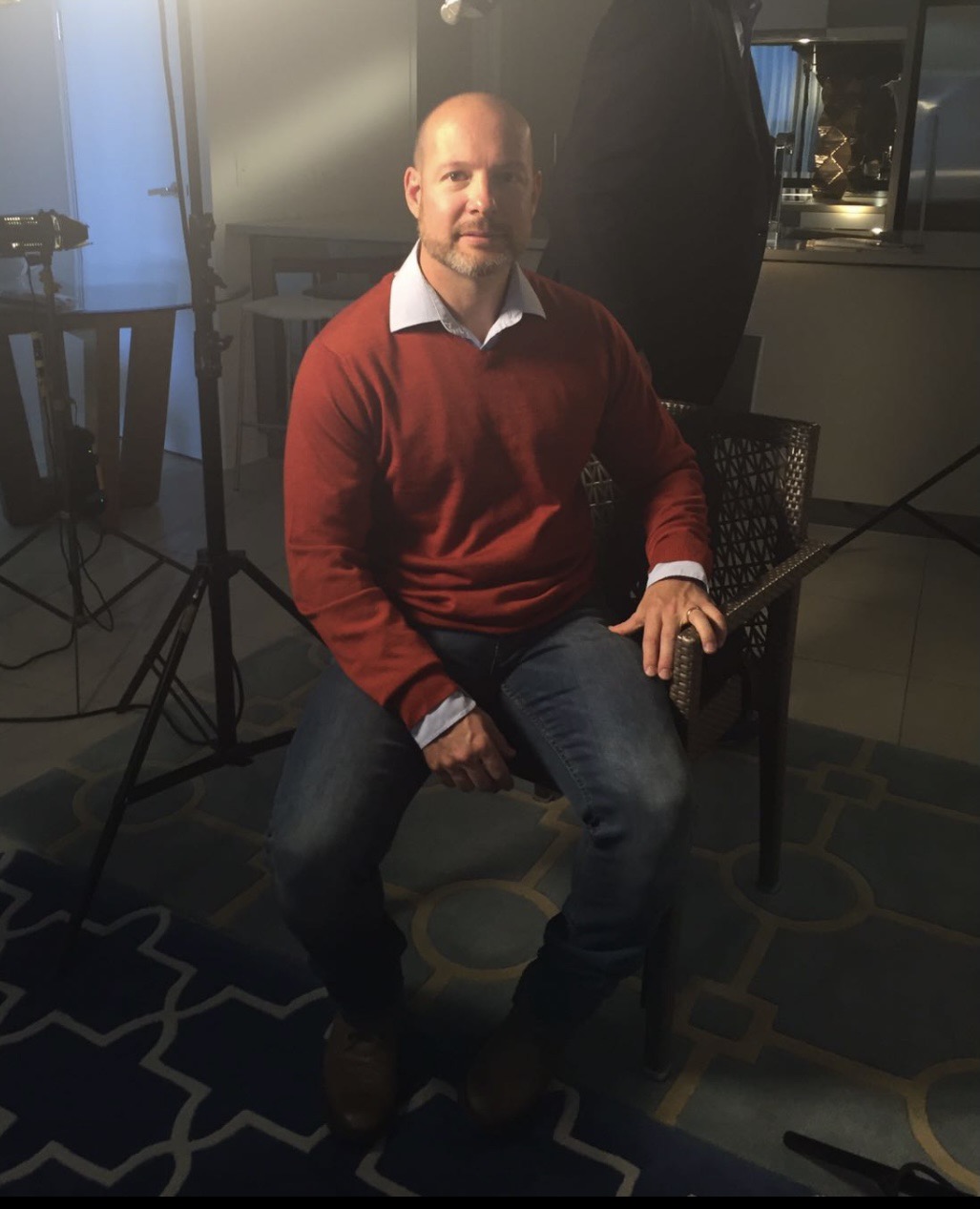
By Adam Whittington
When a major natural disaster or war strikes, the world’s attention rightly turns to food, shelter, medical care and emergency relief. But there is another crisis that receives far less attention—one that I have witnessed firsthand for many years.

Child traffickers thrive in chaos.
The devastating earthquakes in Venezuela are another heartbreaking reminder that children are often the biggest victims of humanitarian disasters. Thousands of children become displaced, separated from their families, orphaned or left homeless. In those first hours and days after a disaster, when systems collapse and communities are overwhelmed, organised criminal networks look for opportunities to exploit vulnerable children.
This is not speculation. It has been documented repeatedly following major wars, earthquakes, floods and humanitarian emergencies around the world.
My Experience Protecting Children After the Türkiye Earthquakes
When the devastating earthquakes struck Türkiye in 2023, Project Rescue Children became the first foreign anti-child trafficking organisation on the ground.
Our mission went beyond delivering emergency humanitarian aid. We knew from years of experience that disasters create ideal conditions for child traffickers. While providing thousands of donated relief items to families, we also educated parents and local communities about the tactics traffickers use to target vulnerable children during times of crisis.
Living through the continual aftershocks changed my life forever. Watching entire communities devastated is something impossible to describe. Yet amid the tragedy, seeing children’s smiles as they received essential supplies—made possible by our incredible supporters who trusted us through complete transparency—is something I will never forget.
Ukraine: A Humanitarian Crisis and Child Trafficking Emergency
Our work did not stop in Türkiye.
Project Rescue Children deployed three humanitarian missions into Ukraine during the ongoing war, delivering emergency assistance to families living in remote villages while simultaneously working to prevent child trafficking.
We safely assisted refugee families with children leaving Ukraine and entering Europe, where traffickers were actively targeting desperate mothers and unaccompanied children at border crossings.
The situation became so serious that we established PRC Ukraine, a not-for-profit organisation supported by dedicated local Ukrainian volunteers.
Our teams were deployed to the Romania-Ukraine border to provide humanitarian assistance while proactively monitoring trafficking activity. Sometimes simply having an experienced anti-trafficking presence is enough to deter criminal groups looking for easy targets.
On another operation, intelligence indicated traffickers were operating from a railway station in the Czech Republic. We deployed a team, gathered information and passed it to local police. The traffickers were subsequently arrested.
These experiences reinforced something I have known throughout my career:
Child protection must become part of every humanitarian response—not an afterthought.
Why Disaster Response Must Include Child Protection
Far too often, emergency responses focus solely on immediate humanitarian needs while overlooking the growing threat of child exploitation.
Food, water and shelter save lives.
But so does preventing a child from disappearing into the hands of traffickers.
Every major disaster should include trained child protection specialists, public awareness campaigns, family reunification systems and proactive monitoring of known trafficking hotspots such as evacuation centres, refugee camps, transport hubs and border crossings.
The Reality for Smaller Organisations
Unlike many large international organisations with enormous budgets, Project Rescue Children simply does not have millions of dollars sitting in the bank ready to deploy teams to every humanitarian disaster.
Our work has always relied on dedicated volunteers and supporters who believe in complete transparency and practical action.
Because of what we have witnessed firsthand, the Project Rescue Children Board is now exploring the creation of an independent disaster response capability focused specifically on protecting children from trafficking and exploitation while delivering emergency humanitarian assistance where it is needed most. The need has never been greater.
A Global Responsibility
Whether the crisis is in Venezuela, Türkiye, Ukraine or anywhere else in the world, one truth remains the same:
-Children are always the most vulnerable.
-Protecting them cannot wait until after the emergency has passed.
-Child traffickers move quickly.
-Those committed to protecting children must move even faster.
My thoughts are with everyone affected by the devastating earthquakes in Venezuela, especially the children and families whose lives have been changed forever.
About Adam Whittington
Adam Whittington is the Founder and CEO of Project Rescue Children and has spent more than 26 years working in child protection, child abduction recovery, child trafficking investigations and online child exploitation prevention. He has worked alongside specialist law enforcement agencies across multiple countries conducting investigations, supporting rescue operations and educating families on how to protect children from trafficking and exploitation.
For more information, visit www.adamwhittington.com.


